The Forgotten Grain: Reviving Millets in the Modern Indian Diet
Try nutritious Indian millet recipes to revolutionise your plate; move beyond boring rice and wheat starting today. Consequently, we frequently overlook an ancient, nutritious food source. Millets, once a staple across the subcontinent, now sit mostly on the sidelines. These tiny, powerful grains offer immense health benefits. We must therefore actively bring millets back into our daily diet. This transition promises better nutrition and stronger food security for the nation.
The Historical Importance of Millets
 Millets were the bedrock of Indian agriculture for centuries. Historically, people relied on them throughout various regions. They are remarkably hardy crops. Specifically, millets thrive in arid and semi-arid conditions. They also require significantly less water than rice or wheat. Farmers could easily cultivate them even on poor soil. Therefore, millets were an ideal, reliable food source for ancient communities. Generations enjoyed their sustenance and variety.
Why Did Millets Fade Away? Explore Indian Millet Recipes
During the Green Revolution, priorities shifted. Policymakers strongly promoted high-yielding varieties of rice and wheat. Government schemes heavily favoured these two crops. Furthermore, the Public Distribution System (PDS) mostly distributed them. Ancient Indian Grains for Modern Health a result, rice and wheat became readily available and cheaper. Consumers naturally preferred these easier-to-cook grains. Consequently, people gradually forgot about millets. Farmers faced less demand and hence grew fewer millets. Ultimately, this ancient food faded from common view.
The Nutritional Powerhouse
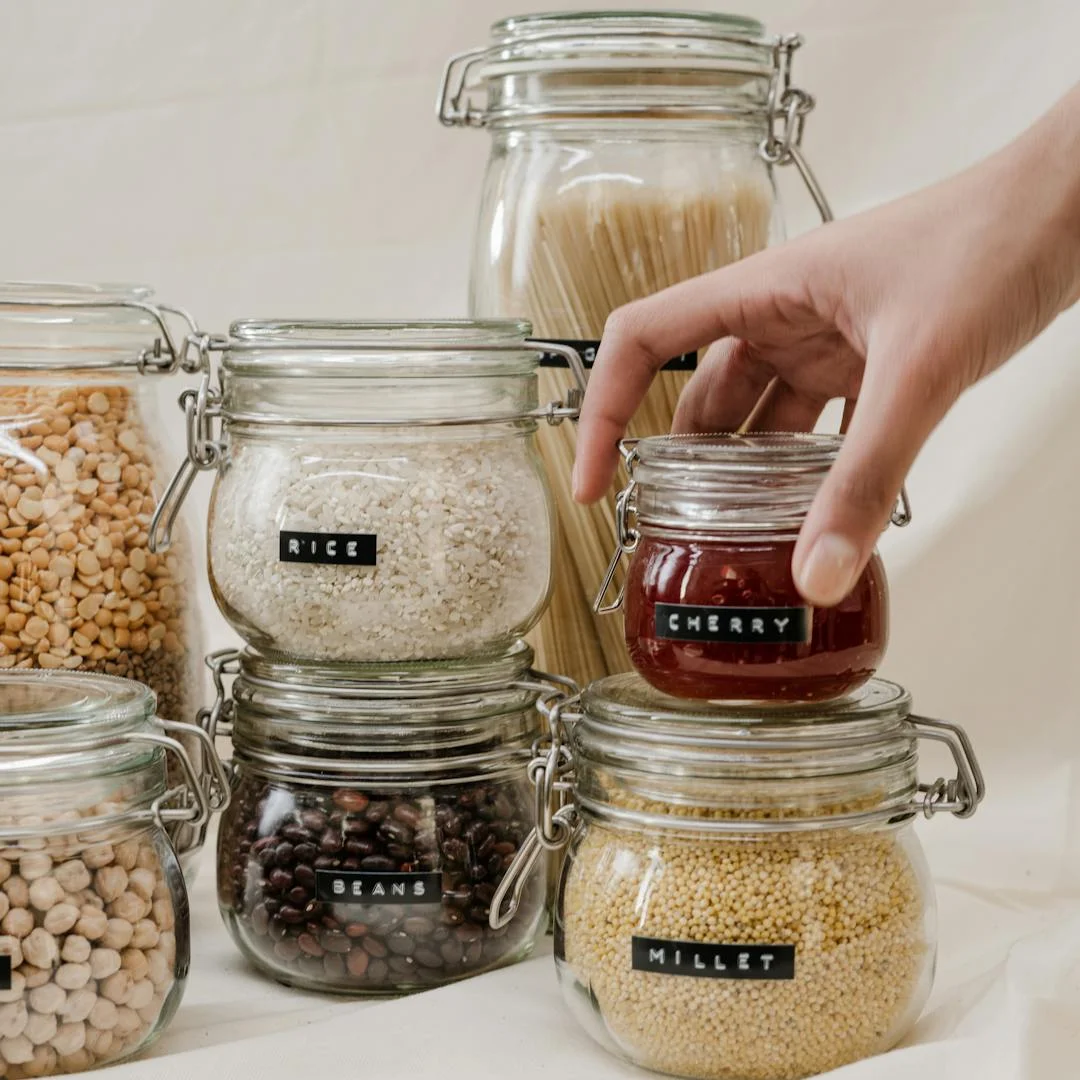
Millets offer substantial nutritional advantages. They are truly an excellent source of dietary fibre. This fibre helps regulate blood sugar levels. Furthermore, millets are inherently gluten-free. This makes them perfect for people with gluten sensitivity or celiac disease. Importantly, they are also rich in vital minerals. For instance, they supply high levels of iron and calcium. Regular consumption can therefore help combat widespread deficiencies. Different types offer varied benefits. For example, Ragi (Finger Millet) is especially high in calcium. Jowar (Sorghum) provides good amounts of protein. Consequently, incorporating them boosts overall health significantly.
Health Benefits You Cannot Ignore in Indian Millet Recipes
People increasingly seek healthier food options. Millets perfectly fit this modern requirement. Firstly, their low glycemic index is beneficial. This means they release sugar slowly into the bloodstream. Therefore, they are an excellent choice for managing diabetes. Secondly, the high fibre content aids digestion. It helps prevent constipation and maintains a healthy gut. Moreover, millets contain powerful antioxidants. These compounds fight harmful free radicals in the body. Consequently, they help reduce the risk of chronic diseases. Clearly, they contribute positively to long-term wellness.
Bringing Millets Back to the Kitchen
 It is easy to reintroduce millets into your meals. Today, chefs and home cooks experiment widely. They use millets in diverse, creative recipes. Importantly, you can easily substitute rice with millets. Try having Foxtail Millet instead of rice with dal. You can also make delicious millet porridge for breakfast. Furthermore, Ragi flour makes nutritious rotis and dosas. Specifically, Pearl Millet (Bajra) works wonderfully in flatbread. You can even use them in baked goods. Millet flour makes excellent cookies and bread. Initially, try substituting a small portion of your usual grain. Gradually increase the amount over time. This simple change unlocks better health and taste.
Indian Millet Recipes: A Sustainable Choice for the Planet
Millets are not just good for us. They are also fantastic for the environment. These crops demand very little water. Furthermore, they can grow without extensive pesticides. This sustainable nature is critical today. They help conserve precious water resources. Moreover, they support biodiversity in farming. As we face climate change, resilient crops are essential. Therefore, choosing millets supports both our health and the planet.
Conclusion: Making Millets Mainstream
Millets represent a healthy, sustainable future for India. We must recognise their inherent value. Consumers should actively demand these ancient grains. Similarly, farmers deserve support for growing them. Government policies must also promote their wider distribution. Together, we can restore millets to their rightful place. This powerful dietary shift will surely nourish the nation. Let us revive this forgotten grain now.