Indian spice blend Magic: Decoding Garam Masala
Discover the science and magic of garam masala, the aromatic Indian spice blend that adds warmth and depth to all Indian cooking. It is a cornerstone of Indian cooking. Consequently, it adds warmth, depth, and an irresistible aroma to countless dishes. Furthermore, this complex mixture showcases the art and science of flavour blending. We can truly appreciate its magic when we understand what makes this spice mix so special. Thus, let us explore the ingredients and the clever preparation methods that make garam masala a culinary marvel.
Indian Spice Blend Components: The Building Blocks of Warmth
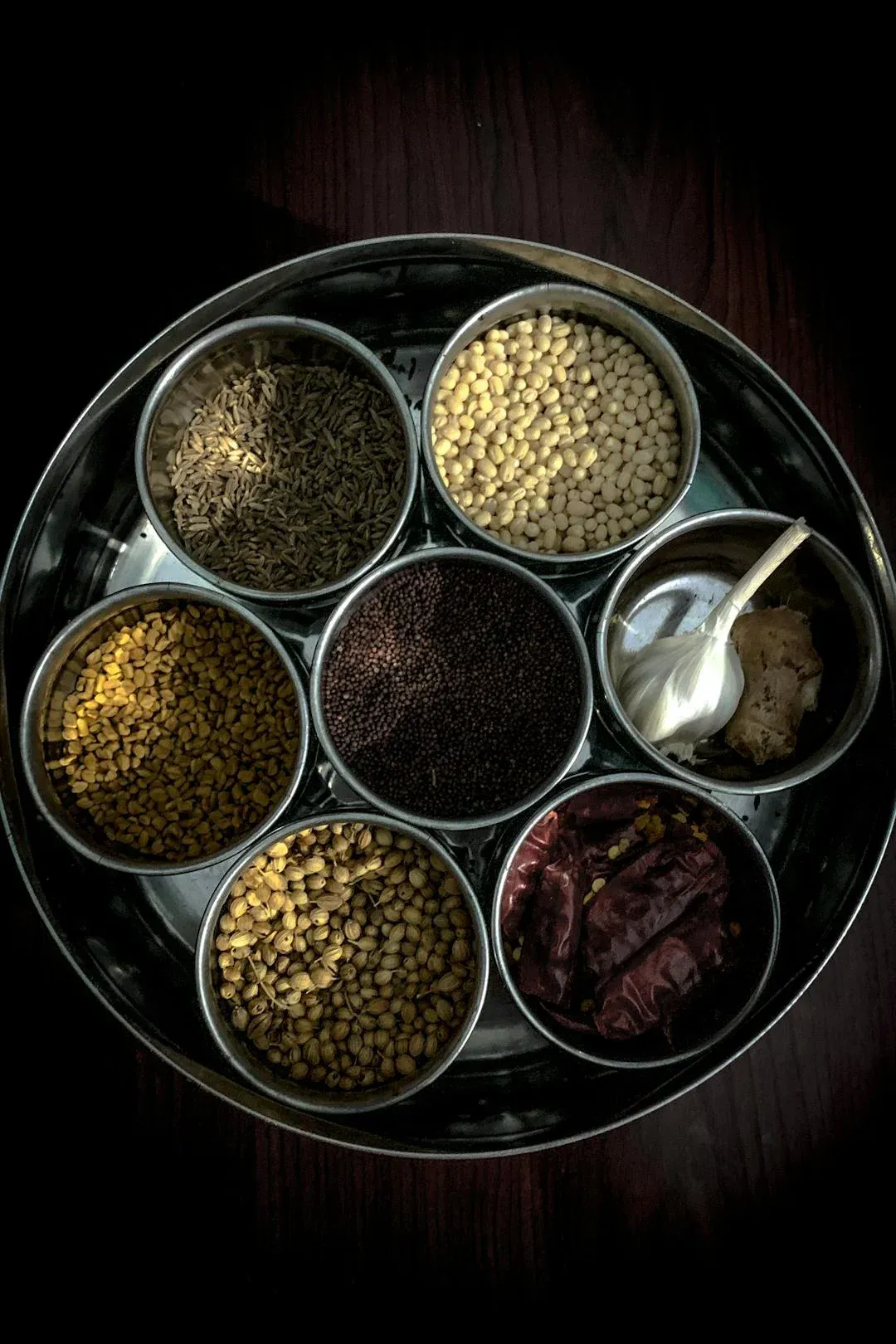
 Garam masala literally translates to “hot spice mix.” However, “hot” refers to the warming effect the spices have on the body. It does not mean chilli heat. Generally speaking, a typical garam masala blend uses powerful, aromatic ingredients. These ingredients work together to create a balanced flavour profile. In fact, the specific composition often varies widely by region and even by family recipe.
Key Aromatic Players
- Cinnamon (Dalchini): This spice provides a sweet and woody base note. Its essential oils are rich in cinnamaldehyde. This compound is responsible for the strong, pleasant scent.
- Cardamom (Elaichi): Both green and black cardamom are commonly used. Green cardamom offers a bright, citrusy, and slightly floral note. Black cardamom gives a smoky, earthy depth. Importantly, both contain the fragrant compound cineole.
- Cloves (Laung): Cloves add a powerful, pungent, and warm flavour. They are exceptionally high in eugenol. This oil gives cloves their distinct and intense aroma. Hence, use them sparingly in the blend.
- Black Peppercorns (Kali Mirch): Peppercorns provide a sharp, subtle heat. Specifically, they contain piperine. Piperine is the alkaloid that triggers the feeling of warmth on the tongue.
- Cumin (Jeera) and Coriander (Dhania): These two spices form the backbone of many Indian spice mixes. They provide an earthy and nutty foundation. Moreover, their inclusion balances the strong, sweet spices.
Maximising Flavour: The Science of Toasting the Indian Spice Blend
The secret to a truly great garam masala lies in its preparation. Crucially, the spices must be dry-roasted before grinding. This step is a vital chemical process.
The Roasting Process
 Dry roasting heats the spices gently in a pan. As a result, this heat causes moisture to evaporate quickly. Consequently, the volatile essential oils concentrate inside the spice structure. Roasting also triggers non-enzymatic browning reactions. For instance, the Maillard reaction occurs. This reaction creates hundreds of new flavour compounds. It also deepens existing flavours. Therefore, the final ground powder smells and tastes much more intense. Furthermore, roasting makes the spices brittle. This makes grinding them into a fine powder much easier. Ultimately, this careful process unlocks the full potential of each ingredient.
Flavour Harmony and Culinary Application
Garam masala is an example of brilliant culinary engineering. The blend achieves a perfect balance of tastes. It is warm, sweet, pungent, and aromatic all at once. Generally speaking, chefs add garam masala at the very end of cooking. They also sometimes sprinkle it on as a garnish. For this reason, its delicate, volatile oils do not dissipate completely during long simmering times. It provides a final, fragrant flourish to curries, stews, and lentil dishes. Indeed, a pinch of fresh garam masala can instantly elevate a simple meal. In conclusion, this spice blend is a testament to the sophistication of Indian gastronomy. It seamlessly combines science, tradition, and pure, delicious flavour.